Tarator Sauce Explained: The Irresistible Levantine Lemon Tahini Origin Story
Few condiments boast the same blend of rich flavor, incredible versatility, and wholesome goodness as
lemon tahini sauce. Often affectionately known as "tarator" sauce in its native Middle Eastern lands, this creamy, tangy elixir is a true staple that transforms everyday dishes into culinary delights. If you've ever savored a perfect falafel or enjoyed a succulent shawarma wrap, chances are you've already experienced the magic of this remarkable plant-based dressing. But what exactly is tarator sauce, where does it come from, and why has it captivated palates across the globe? Let's dive deep into the fascinating world of this essential Levantine creation.
The Ancient Roots of Lemon Tahini Sauce: A Levantine Legacy
The story of tarator sauce is deeply woven into the culinary fabric of the Levant, a historic region encompassing modern-day Syria, Lebanon, Palestine, and Jordan. Here, tahini – a paste made from ground sesame seeds – has been a cornerstone ingredient for centuries, cherished for its nutritional value and distinct nutty flavor. Tarator sauce emerged as a natural evolution, showcasing tahini's incredible ability to emulsify into a smooth, creamy condiment when combined with the bright acidity of lemon.
For generations, families in the Levant have perfected this simple yet profound sauce. It's not just a dressing; it's a taste of home, a comforting familiar note that binds traditional meals together. Many who grew up in the region recall watching their mothers or grandmothers effortlessly whip up a batch, the scent of fresh lemon and toasted sesame filling the kitchen. This deeply personal connection underscores its status as more than just an ingredient – it's a cultural icon, representing warmth, hospitality, and the vibrant flavors of Levantine cuisine. Its naturally vegan and oil-free composition also speaks to a long-standing tradition of resourceful, plant-forward cooking.
Unpacking the Core Ingredients: Simplicity Meets Big Flavor
At its heart,
lemon tahini sauce is a testament to the power of a few high-quality ingredients working in harmony. You'd be surprised at the depth of flavor achieved with such a minimalist approach.
*
Tahini: The Star of the Show
Tahini is simply pureed sesame seeds, often lightly toasted, then ground into a smooth, rich paste. It forms the backbone of tarator sauce, providing its characteristic creaminess, nutty undertones, and substantial body. The quality of your tahini makes a significant difference. Look for brands that list only one ingredient: sesame seeds. Ideally, seek out tahini from the Middle East, as these often boast a superior texture and a balanced flavor profile, less prone to excessive bitterness. A good quality tahini should pour relatively easily from the jar, indicating a finer grind and higher oil content.
*
Fresh Lemon Juice: The Tangy Counterpoint
This is where the magic truly happens. Freshly squeezed lemon juice is absolutely non-negotiable for an authentic tarator sauce. Bottled lemon juice simply doesn't compare, lacking the vibrant acidity and nuanced zest that fresh lemons provide. The lemon juice doesn't just add a bright, tangy flavor; it plays a crucial role in the sauce's texture. When combined with tahini and water, the acidity from the lemon causes the tahini to "seize" and thicken initially, before mellowing into that desired creamy emulsion. This chemical reaction is what gives the dairy-free sauce its surprisingly rich, almost yogurt-like consistency.
*
Water: Achieving the Perfect Consistency
Water is gradually added to thin out the tahini-lemon mixture, transforming it from a thick paste into a smooth, pourable sauce or a thick, dippable condiment, depending on your preference. The amount of water can be adjusted to achieve various consistencies, from a thick dip for pita to a thinner dressing for salads.
*
Salt: The Flavor Enhancer
A pinch of salt is essential to round out the flavors, balancing the richness of the tahini and the sharpness of the lemon. While any fine salt works, many connoisseurs prefer sea salt or Himalayan pink salt for their nuanced mineral notes.
Elevating Your Lemon Tahini Sauce: Optional Additions
While the classic recipe is sublime in its simplicity, tarator sauce is incredibly adaptable. Don't hesitate to customize it to your taste:
- Garlic: For those who love a pungent kick, a finely minced clove or two of fresh garlic can be a game-changer, turning it into a lemon garlic tahini sauce.
- Herbs: Fresh chopped parsley, cilantro, or mint can infuse the sauce with vibrant color and herbaceous notes, creating a delightful lemon herb tahini. Lemon zest also adds an extra layer of citrus aroma.
- Spices: A dash of cumin can add an earthy warmth, complementing the sesame beautifully.
The Myriad Uses of This Creamy Vegan Dressing
The incredible versatility of
lemon tahini sauce is undoubtedly one of its greatest assets. It effortlessly crosses culinary boundaries, proving itself equally adept as a dip, a dressing, a spread, or even an ingredient cooked into heartier dishes.
*
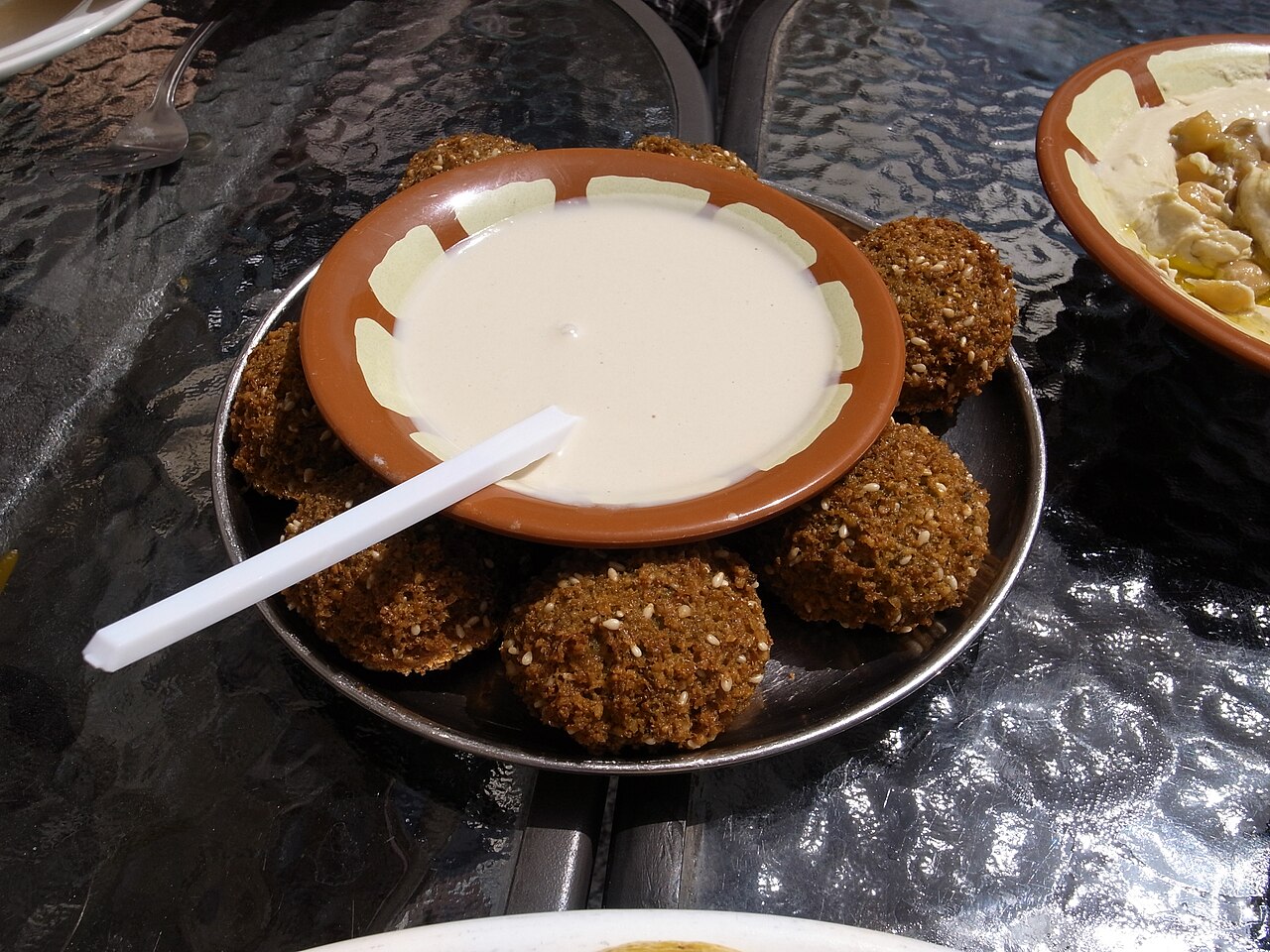
The Ultimate Companion for Middle Eastern Staples: Its most iconic pairing is, of course, with falafel and shawarma. Whether drizzled generously over a wrap or served as a side for dipping, its tangy creaminess cuts through the richness of fried foods and grilled meats, creating a harmonious balance.
*
Transforming Roasted Vegetables: Tarator sauce is a revelation when drizzled over roasted vegetables. From tender eggplant and crispy cauliflower to sweet potatoes and Brussels sprouts, its bright, nutty flavor elevates simple roasted produce to gourmet status.
*
A Superb Salad Dressing: Forget heavy, oil-laden dressings. This lemon tahini sauce makes an incredibly satisfying and healthy alternative. It clings beautifully to leafy greens, adding substance and flavor without weighing them down. It's particularly fantastic with dark leafy greens like kale or a fresh salad of cucumbers and tomatoes.
*
Elevating Grain Bowls: For those who love vibrant grain bowls, a dollop of tarator sauce is the perfect finishing touch. It binds all the components together, adding moisture, richness, and a burst of flavor to grains, roasted veggies, and proteins.
*
A Go-To Dip for Everything: Beyond traditional pita bread, this sauce makes an excellent dip for raw crudités like carrot sticks and cucumber slices, or even a healthier alternative to ketchup for fries.
Mastering Your Own Lemon Tahini Sauce: Practical Tips
Whipping up your own batch of lemon tahini sauce is remarkably simple, typically taking less than five minutes. Here are some pro tips to ensure perfect results every time:
1.
Quality First: Start with the best tahini you can find. It truly makes a difference in the final taste and texture.
2.
Fresh Lemon is Key: We can't stress this enough. Always use freshly squeezed lemon juice.
3.
Gradual Water Addition: Don't dump all the water in at once. Add it slowly, a tablespoon at a time, whisking vigorously. You'll notice the tahini mixture thicken initially (this is normal!), then slowly loosen into a smooth, creamy sauce. This gradual process helps achieve the perfect emulsion.
4.
Taste and Adjust: Always taste your sauce before serving. Adjust salt levels, add more lemon juice if you prefer it tangier, or thin it further with a splash more water if desired.
5.
Consistency Control: For a thick dip, use less water. For a pourable dressing, add more. It's totally customizable to your needs.
Once prepared, your homemade
lemon tahini sauce can be stored in an airtight container in the refrigerator for about 5-7 days. It may thicken slightly upon chilling; simply whisk in a tablespoon of cold water to revive its perfect consistency before serving.
Conclusion: Embrace the Magic of Tarator Sauce
From its humble origins in the heart of the Levant to its widespread popularity on modern tables, tarator sauce, or
lemon tahini sauce, stands as a testament to the power of simple, wholesome ingredients. Its ability to deliver intense flavor, incredible creaminess, and remarkable versatility while remaining naturally vegan and oil-free makes it a culinary marvel. Whether you're a seasoned chef or a home cook looking to elevate your meals, learning to make and use this essential Middle Eastern staple will undoubtedly open up a world of vibrant flavors. So, grab your tahini, squeeze those lemons, and get ready to experience the irresistible charm of tarator sauce.